


Plants: Many Beneficial Parts Poster - 18x24" Laminated - Plant Based Diet Promotion - Fruits and Veggies Promotion
SKU: PLANTPARTS


FREE SHIPPING on orders over $29 - 15% off, use the code LEARN15 - Purchase Orders Welcome - Get A Quote
FREE SHIPPING on orders over $29 - 15% off, use the code LEARN15 - Purchase Orders Welcome - Get A Quote


Sign up today and we'll send you a 10% discount code towards your first purchase. Some restrictions apply.
Are you 18 years old or older?
Sorry, the content of this store can't be seen by a younger audience. Come back when you're older.
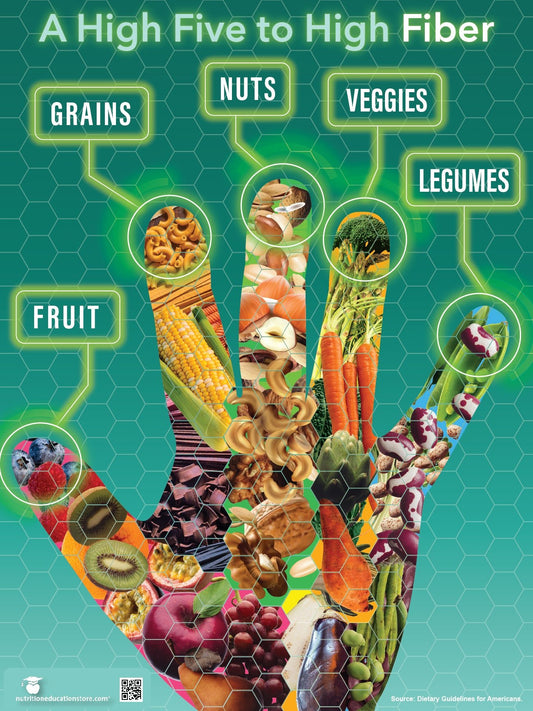
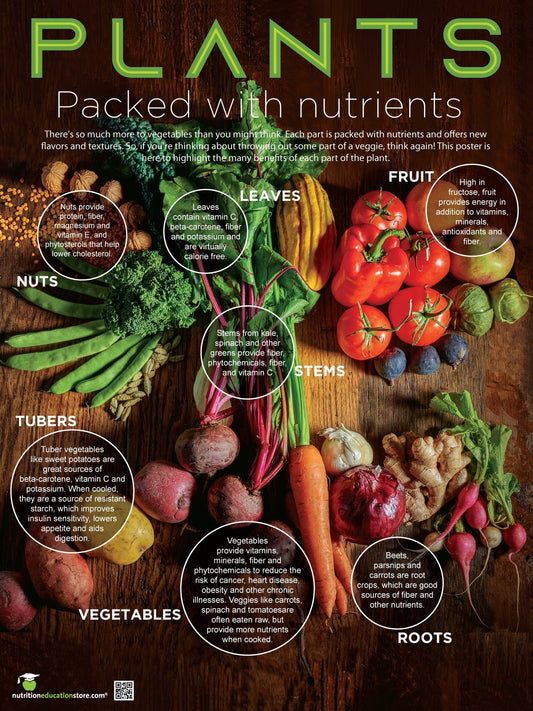
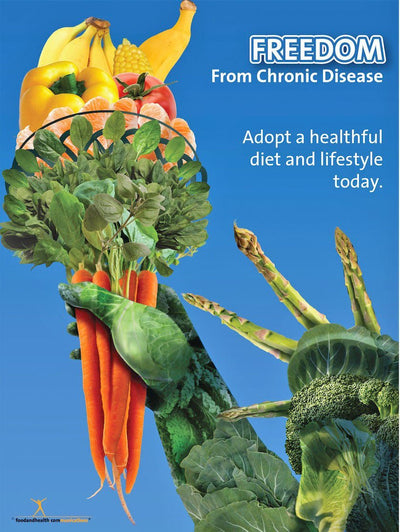
This colorful poster proclaims the benefits of eating a plant-based dietary pattern with MORE vegetables, fruits, whole grains, legumes, nuts, and seeds.
The parts of edible plants are attractively arranged and photographed in a real plant formation. First on the bottom you have tubers, roots, and bulbs, Then upwards you start to see stems and leaves. And finally you will find fruits, vegetables, flowers, seeds/legumes, and nuts.
Each part has specific and great nutritional benefits and our scientific facts were written by dietitian Lisa Andrews, RDN, MEd.
Lessons from The Plant Slant poster:
-A dietary pattern that is higher in plant-based foods promotes great health.
-Plant-based foods include vegetables, fruits, whole grains, legumes, nuts, and seeds.
-There are many great parts to plants and something for everyone to enjoy.
-Don't waste it, try it!
SPECS:
Class discussion ideas:
Plant Parts:
While it may be tempting to toss the stems, leaves or flowers of plants, think again. In addition to reducing waste, you’ll also be improving the nutritional quality of your diet. Here are some simple tips for using the whole plant:
Roots: Beets, parsnips, and carrots are root crops, which are good sources of fiber, vitamin C, and other nutrients. They tend to be lower in calories than potatoes and other tubers.
Tubers: tuber vegetables like sweet potatoes are great sources of beta-carotene, vitamin C, and potassium. When cooled, they are a source of resistant starch.
Stems: the stems of vegetables are often tossed, but taste before you waste them! Stems from kale, spinach and other greens provide fiber, phytochemicals and vitamin C. Given their rough texture, try them sautéed in olive oil with garlic or onions.
Leaves: the leaves of celery, beets and other green veggies should not be ignored. They contain vitamin C, beta-carotene, fiber and potassium and are almost calorie-free.
Vegetables: choose a variety of vegetables daily to provide vitamins, minerals, fiber and phytochemicals. Nutrients in vegetables are often more bioavailable when eaten raw (such as broccoli or spinach), but cooked carrots and tomatoes provide more nutrients when consumed cooked.
Fruit: fruit is nature’s candy! High in fructose, fruit provides carbohydrate for energy in addition to vitamins, minerals, antioxidants and fiber. Choose a variety of fruit and eat seasonally for best price and nutritional quality.
Flower: the flower of a plant is not just pretty, it can be edible! The following flowers can be used in salads, desserts or smoothies: roses, chrysanthemum, violets, daisies. These provide vitamin C, potassium and phytonutrients.
Legumes: legumes is a fancy word for beans like black beans, garbanzo beans, kidney beans, etc.. The beauty of beans is their fiber and protein content as well as their versatility. Use them in soup, salad, soup or stew.
Seeds: don’t dismiss these tiny nutritional nuggets! Seeds provide protein, fiber, magnesium and vitamin E. Sunflower or pumpkin seeds may be used in salads, trail mixes or for snacks while smaller seeds like chia or sesame seeds can be used in oatmeal, yogurt or as a garnish.
Submitted by Lisa Andrews, MEd, RD, LD
✨ FREE 2026 Handout Pack included — and save even more with our new bulk discounts!
Subscribe today and get 10% off your first purchase