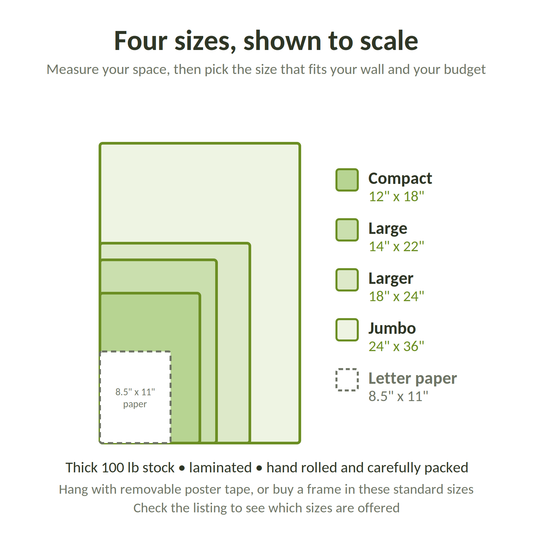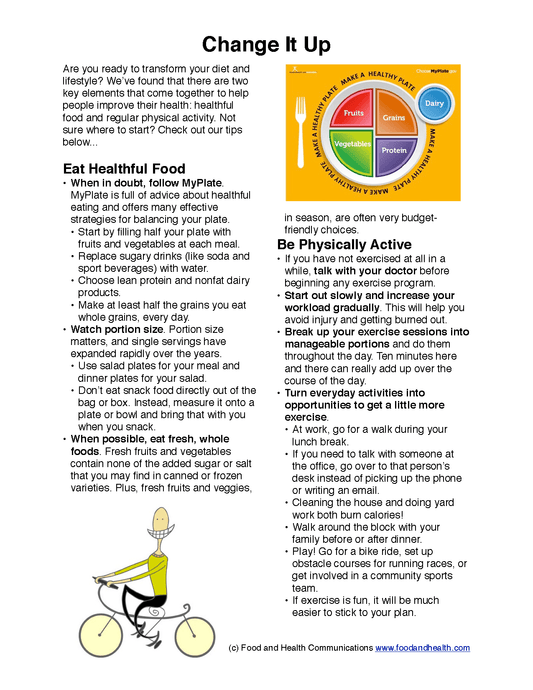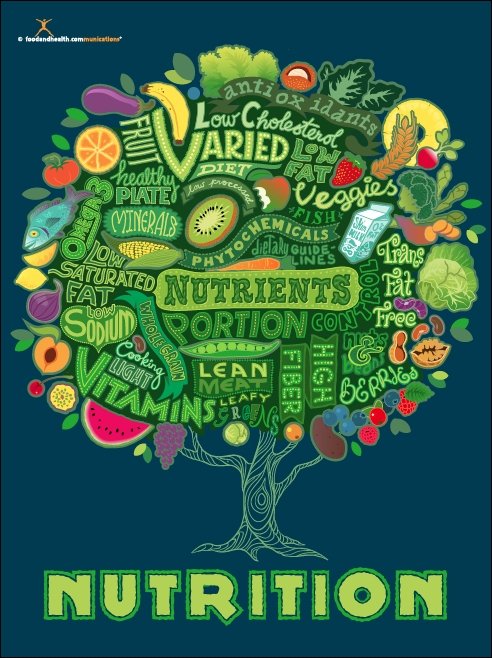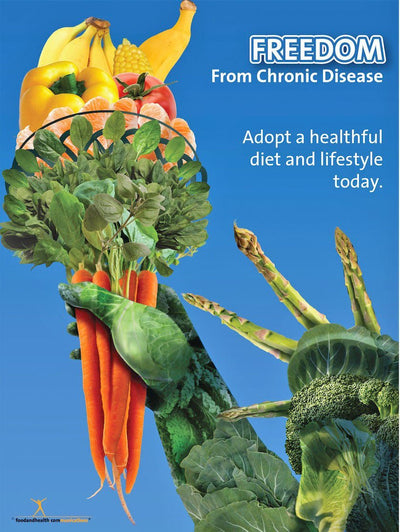



9 Habits for Positive Mental Health Poster - 18" x 24" Laminated
SKU: MHPOST




Are you 18 years old or older?
Sorry, the content of this store can't be seen by a younger audience. Come back when you're older.
Nearly 20% of children and young people ages 3-17 in the United States have a mental, emotional, developmental, or behavioral disorder, and suicidal behaviors among high school students increased more than 40% in the decade before 2019. Mental health challenges were the leading cause of death and disability in this age group. These trends were exacerbated during the COVID-19 pandemic.
--(Source: https://www.ncbi.nlm.nih.gov/books/NBK587174/)
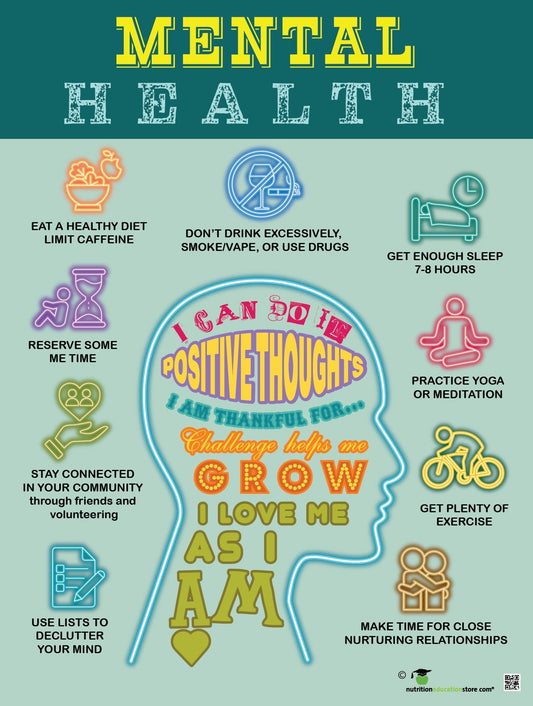
Use this poster as an essential checklist to help your audience have better mental health.
Every poster comes with three one-page leader guides, one written for middle school, one for high school, and one for adults in clinic, worksite, and community programs. Each guide gives you a ready-made discussion question for all nine habits, plus two no-prep activities, so you can teach from the poster the day it goes up. Each one also includes a short note on how the substance use habit aligns with health education standards, which is there for you if an administrator or parent asks.
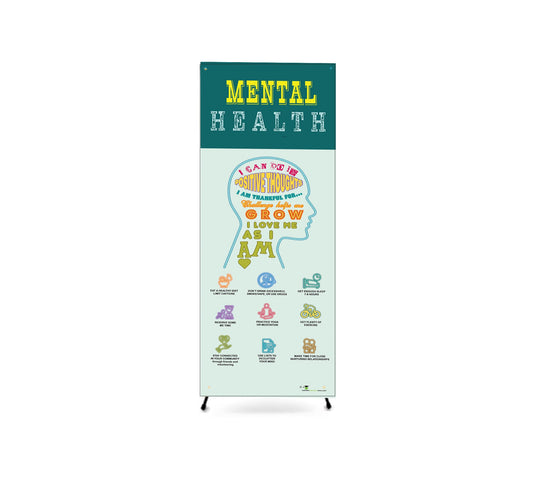
The checklist, based on health.gov guides, includes:
Plus, positive thoughts reinforce the importance of positive thinking, gratitude, and positive challenges as part of growth.
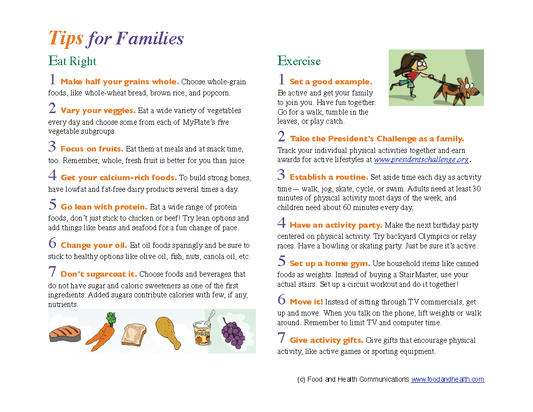
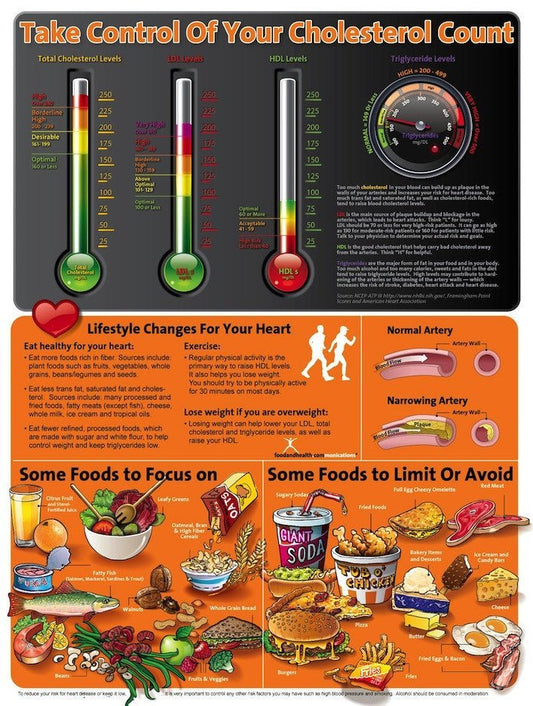
Diet and lifestyle play a crucial role in supporting and maintaining mental health. A balanced diet and healthy lifestyle choices support brain function, influence mood, and help prevent and manage mental health conditions.
Here are some key reasons why diet and lifestyle are essential for mental health:
The brain requires a variety of nutrients to function optimally. Key nutrients like omega-3 fatty acids, vitamins (such as B vitamins, vitamin D, and vitamin E), minerals (like zinc, magnesium, and iron), and amino acids are essential for the production of neurotransmitters, the chemical messengers that regulate mood, behavior, and cognitive function. A diet rich in fruits, vegetables, whole grains, lean proteins, and healthy fats ensures the brain receives these necessary nutrients.
Emerging research highlights the connection between the gut and the brain, often referred to as the "gut-brain axis." A healthy diet supports a diverse and balanced gut microbiome, which plays a significant role in mental health. Fermented foods, probiotics, and high-fiber foods can promote gut health, potentially reducing the risk of anxiety, depression, and other mental health disorders.
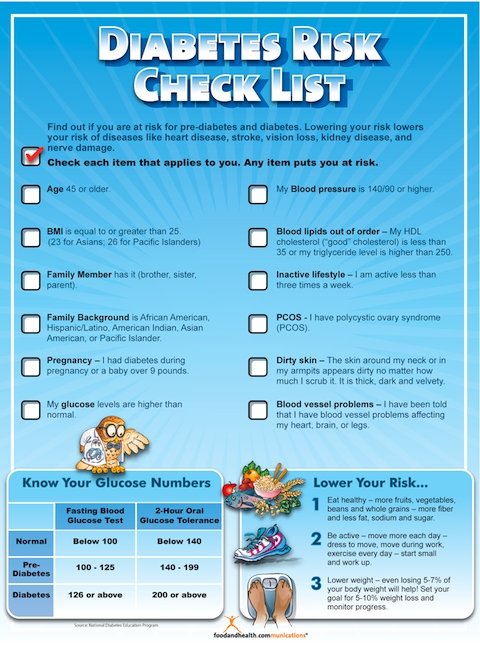
A diet high in refined sugars and processed foods can cause fluctuations in blood sugar levels, leading to mood swings, irritability, and fatigue. Consuming complex carbohydrates, healthy fats, and proteins helps maintain stable blood sugar levels, which can stabilize mood and energy levels, reducing the risk of mood disorders.
Chronic inflammation is linked to several mental health disorders, including depression and anxiety. Diets high in processed foods, trans fats, and sugar can increase inflammation in the body. Conversely, a diet rich in anti-inflammatory foods like fruits, vegetables, nuts, seeds, and fatty fish can help reduce inflammation, potentially lowering the risk of depression and anxiety.
Regular physical activity is a cornerstone of a healthy lifestyle and is strongly linked to improved mental health. Exercise releases endorphins and other neurotransmitters like serotonin and dopamine, which help reduce stress, anxiety, and depression. It also promotes better sleep, boosts self-esteem, and improves cognitive function.
Diet and lifestyle directly affect sleep quality, which is vital for mental health. Poor sleep can lead to increased stress, anxiety, and depressive symptoms. A balanced diet that avoids heavy, spicy, or caffeinated foods and drinks close to bedtime can improve sleep quality. Establishing a regular sleep routine and creating a restful sleep environment are also essential.
Diet and lifestyle choices can affect the body's ability to manage stress. Chronic stress can exacerbate mental health conditions, and certain foods, such as those high in caffeine or sugar, can increase stress levels. A balanced diet, regular physical activity, mindfulness practices, and adequate sleep can all contribute to effective stress management.
A healthy lifestyle encourages social interaction and participation in community activities, which are important for emotional well-being. Cooking and sharing healthy meals with family and friends, participating in group exercise classes, or engaging in outdoor activities can enhance social bonds and provide emotional support, contributing to overall mental health.
A healthy diet and lifestyle can help prevent the onset of mental health disorders and manage existing conditions. For example, a Mediterranean diet rich in fruits, vegetables, nuts, whole grains, and fish has been associated with a lower risk of depression. Regular physical activity is also effective in reducing symptoms of anxiety and depression.
A diet rich in antioxidants, healthy fats, vitamins, and minerals nourishes the brain and helps protect against cognitive decline and memory loss. Foods like berries, fatty fish, nuts, and green leafy vegetables are particularly beneficial for brain health.
In summary, a balanced diet and a healthy lifestyle are foundational to supporting mental health. They provide the necessary nutrients for brain function, help manage stress, promote better sleep, reduce inflammation, and support overall well-being. Making informed dietary choices and adopting healthy habits can significantly impact mental health, contributing to a more positive and resilient mindset.
✨ FREE 2026 Handout Pack included — and save even more with our new bulk discounts!
About the substance use habit
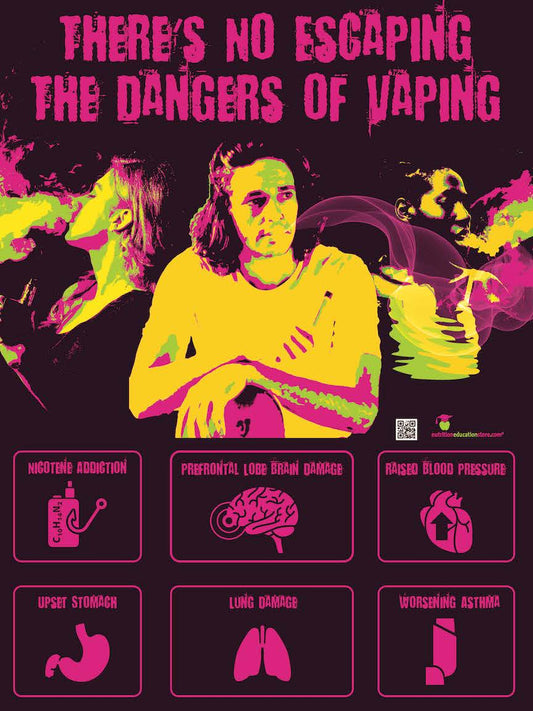
One of the nine habits on this poster is avoiding smoking, vaping, drugs, and excess drinking. Substance use prevention is part of health education standards in most middle and high schools, and these behaviors have a direct effect on sleep, mood, and mental health, which is why the habit is on the poster. The legal drinking age is 21. This poster is written for teens and adults. Prevention education exists precisely because it has to arrive before the exposure does.
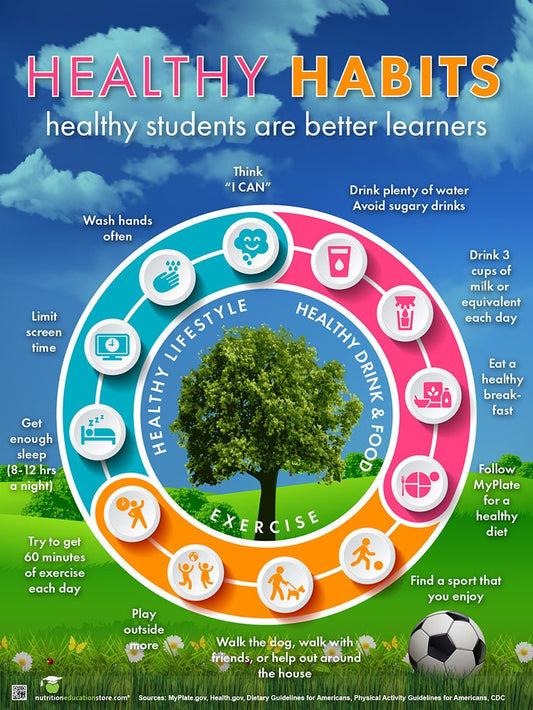
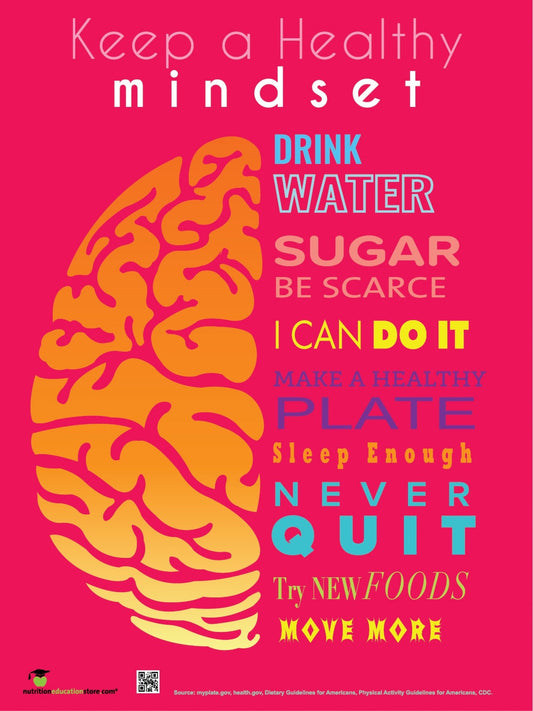
If you would rather have a habits poster with no mention of substances, our Habit Stack and Healthy Habit Wheel posters cover daily habits and are a good fit for younger students. We also have a poster "I Am" to help folks have a positive outlook.
Sources: Alcohol, Tobacco, and Other Drugs, grades 7-8 (CA Health Education Framework), Ohio Model Health Education Curriculum, grades 6-8, New Mexico Health Education Standards, grades 5-8
Eat a healthy diet and limit caffeine, reserve "me" time, stay connected to your community, use lists to declutter your mind, avoid excess alcohol along with smoking, vaping, and drugs, get enough sleep, practice yoga or meditation, get plenty of exercise, and make time for nurturing relationships.
The brain needs nutrients such as omega-3s, B vitamins, and minerals to make the chemicals that regulate mood, and steady blood sugar plus a healthy gut also shape how you feel. A balanced diet supports mental health alongside — not instead of — professional care.
It is written for teens and adults and works in classrooms, clinics, counseling offices, worksite wellness programs, and community settings. Every poster includes three one-page leader guides — for middle school, high school, and adults — with a discussion question for each habit and two no-prep activities so you can teach from it right away.