



Got Gas?
 Beans are rightly praised as a source of low-fat protein and fiber. But many people have a problem with them that nobody wants to raise in a class: gas.
The culprits are oligosaccharides, a group of sugars in beans that we do not break down and absorb the way we handle other sugars. They arrive in the large intestine intact, bacteria ferment them, and that produces gas.
Eight things that help
- Easy does it. When adding beans or any high-fiber food, start small and let your body adjust. Include them regularly, a couple of times a week at first and then more often. The more often you eat them, the less of a problem gas tends to be. The Dietary Guidelines for Americans recommend about 1 1/2 cups of beans, peas and lentils per week at a 2,000-calorie level.
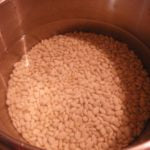
- Soak well, and discard the water. Soak dried beans 8 to 12 hours, which usually means overnight. Discard the soaking water rather than cooking in it, since some of the oligosaccharides go with it, then rinse and cook in fresh water until very tender. If you want to soak longer than about 12 hours, or the kitchen is warm, soak in the refrigerator. If you are short on time, use a quick soak instead: boil the beans a few minutes, cover, let stand an hour, then drain and cook.
- Rinse canned beans and cook them a little longer. Rinsing also cuts the sodium noticeably.
- Try an over-the-counter enzyme supplement. These supply alpha-galactosidase, the enzyme that breaks down the gas-producing sugars.
- Experiment with different beans. People react differently to different varieties, and finding the ones that suit you is often easier than changing your technique.
- Add herbs and spices. There is no research proving this works, but some cooks swear by it. Try a tablespoon of fennel, cumin, ginger, the Mexican herb epazote, or the Indian spice ajwain in the pot. Even if it does nothing for the gas, you have tried a new flavor.
- Chew more. Digestion starts in the mouth. Slowing down and chewing properly helps break the carbohydrates down.
- Drink plenty of water. Your digestive system needs it to handle the extra fiber. The Dietary Guidelines work out to roughly 14 grams of fiber per 1,000 calories, which is about 25 to 38 grams a day for most adults.

One more bean tip, with a catch
Plenty of grandmothers added baking soda to the bean pot, some of them saying it helps with gas. Baking soda does make beans tender, which genuinely helps if you have hard water. But it comes at a cost: it destroys some of the thiamin in the beans. Worth knowing before you make it a habit.
Cheryle Jones Syracuse, MS, Professor Emeritus, The Ohio State University
Teaching plant-based eating? See the Plant Slant Health Fair Display collection and the Plant Slant poster.