

How to Use the Diabetes Plate Method Portion Plates in Diabetes Education Programs
Why the Diabetes Plate Method Works
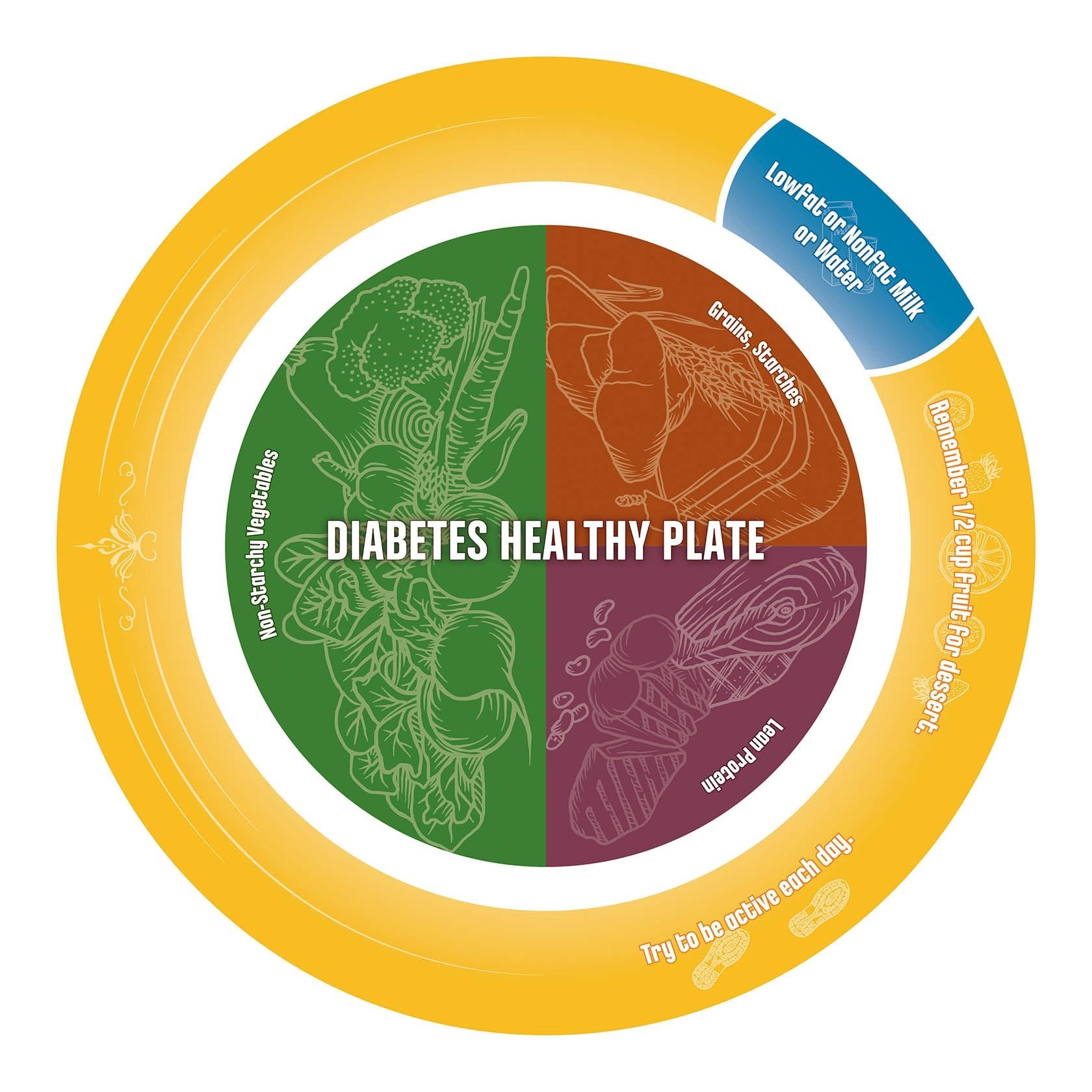
The Diabetes Plate Method is one of the most evidence-based and widely recommended tools for diabetes eating education. Developed to simplify carbohydrate management without requiring counting, the plate method divides a standard dinner plate into sections: half non-starchy vegetables, one quarter protein, one quarter carbohydrate-containing foods. The visual division makes the concept immediately actionable — clients do not need to count anything, they just need to look at their plate.
These physical plates take the method off the poster and into the client's hands. When someone holds a divided plate and fills it according to the method, the learning is kinesthetic, not just visual. That is why they sell consistently year-round and peak every November during American Diabetes Month.
What Is in the 50-Pack?
The 50-pack includes 50 divided portion plates designed specifically with the Diabetes Plate Method proportions. The plate is printed with the correct section divisions and clear labeling so clients immediately understand what goes where. At roughly $6.80 per plate, they are cost-effective for programs that see high client volume.
5 Ways Diabetes Educators Use These Plates
1. Individual Diabetes Education Sessions
Give the client a plate at the beginning of a one-on-one session. Walk through a sample meal using food models or printed images placed on the plate. Having the physical plate to hold changes the conversation from abstract advice to a concrete meal-building exercise. Many educators send the plate home with the client as a reminder tool.
2. Group Diabetes Education Classes
In a group DSMES (Diabetes Self-Management Education and Support) class, give each participant their own plate at the start of the meal planning module. Have everyone build a sample breakfast, lunch, and dinner directly on the plate using food model cards or photos. The group format allows peer discussion about portion challenges and real-life barriers.
3. Cooking Demonstrations
Use the plates as the final plating station at a diabetes-friendly cooking demonstration. As you plate the finished dish, walk participants through how it fits the Diabetes Plate Method. This connects culinary skill to diabetes management in a practical, memorable way — exactly the format that changes behavior.
4. Hospital Inpatient and Discharge Education
Hospital dietitians frequently use these plates during inpatient diabetes education to prepare patients for discharge. The plate is simple enough to understand quickly and concrete enough to remember. Sending a plate home with the discharge packet reinforces the teaching outside the clinical setting.
5. Health Fair Stations
Display the plate at a health fair diabetes station alongside the Sugar Test Tubes and Diabetes Awareness Poster Bundle. The physical plate gives visitors something to pick up, examine, and interact with. Interactive props consistently generate more conversations than passive poster displays.
Pair With These Products for a Complete Diabetes Station
The Diabetes Plate Method Plates work best as part of a complete diabetes education display. Combine them with the Sugar Test Tubes Visual Aid, the Diabetes Awareness Poster Bundle, and the Sip Smart Guide Tearpad for a station that covers the full scope of diabetes nutrition education.