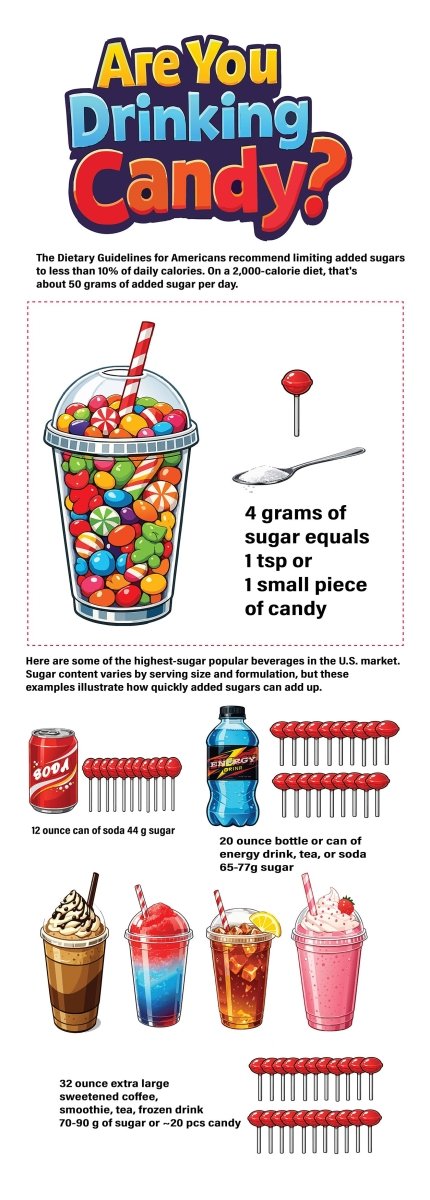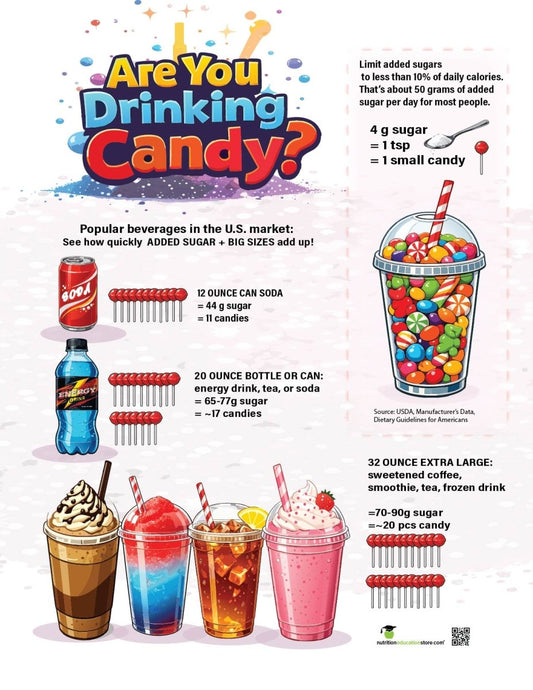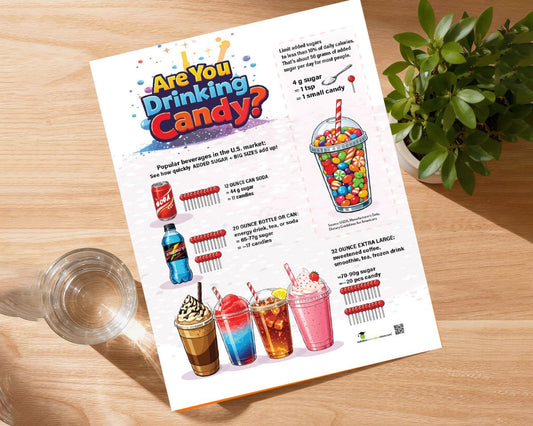



Sugar Math Tearpad - 8.5" x 11" - Color - 50 Pages
SKU: SUGAR-TEAR





FREE SHIPPING on orders over $29 - 15% off, use the code LEARN15 - Purchase Orders Welcome - Get A Quote
FREE SHIPPING on orders over $29 - 15% off, use the code LEARN15 - Purchase Orders Welcome - Get A Quote

Sign up today and we'll send you a 10% discount code towards your first purchase. Some restrictions apply.
Are you 18 years old or older?
Sorry, the content of this store can't be seen by a younger audience. Come back when you're older.
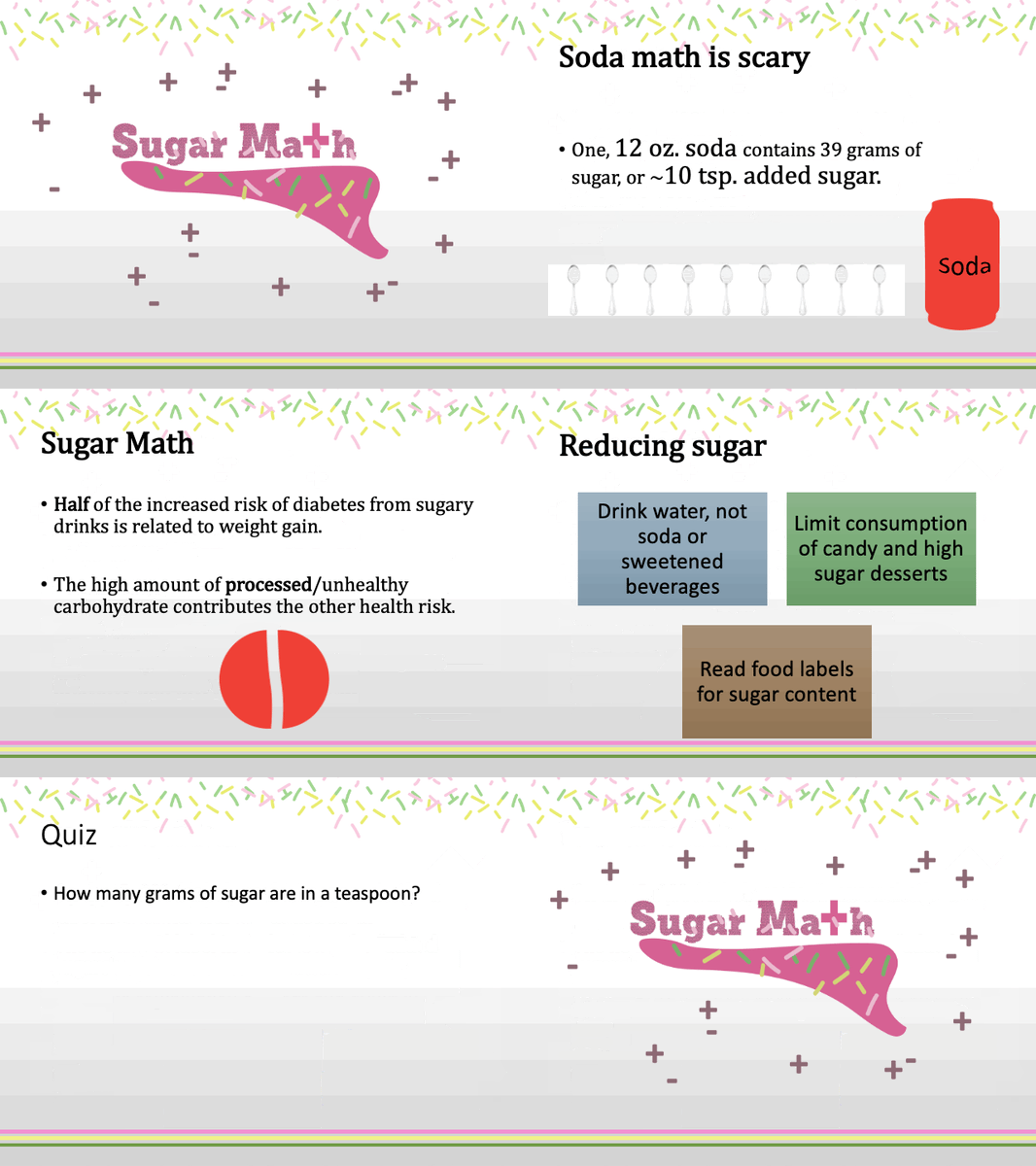
Sugar math is fun for everyone! This tearpad makes an excellent nutrition and math lesson, good for any STEM class.
Adults can have fun learning the ins and outs of how much sugar they can consume and where it comes from.
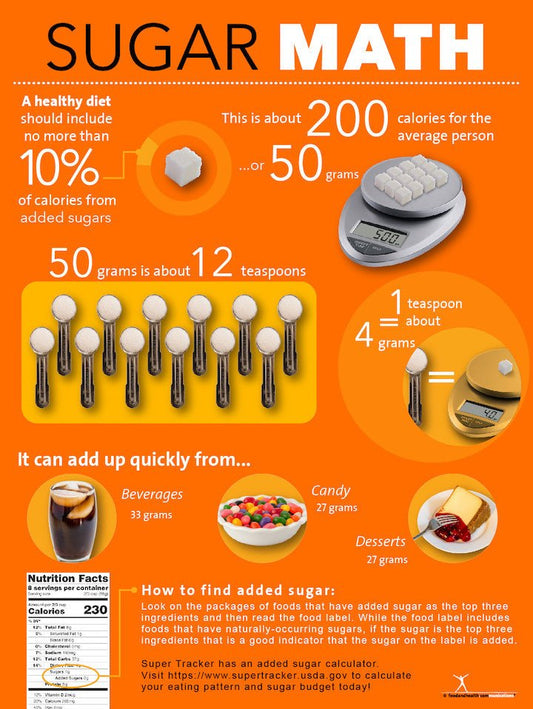
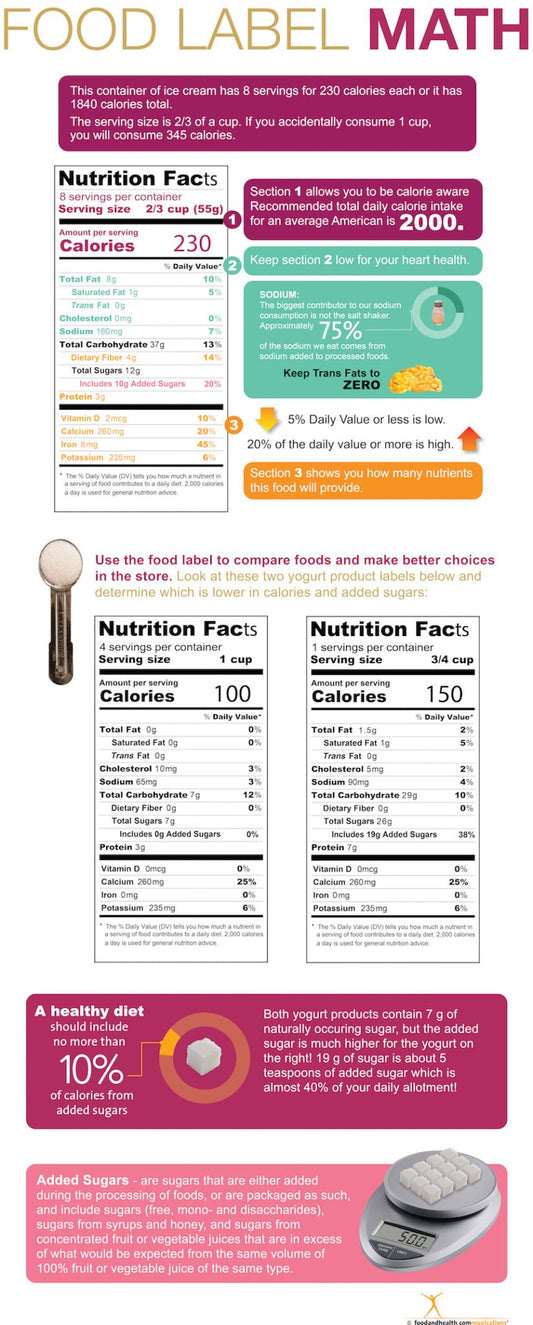
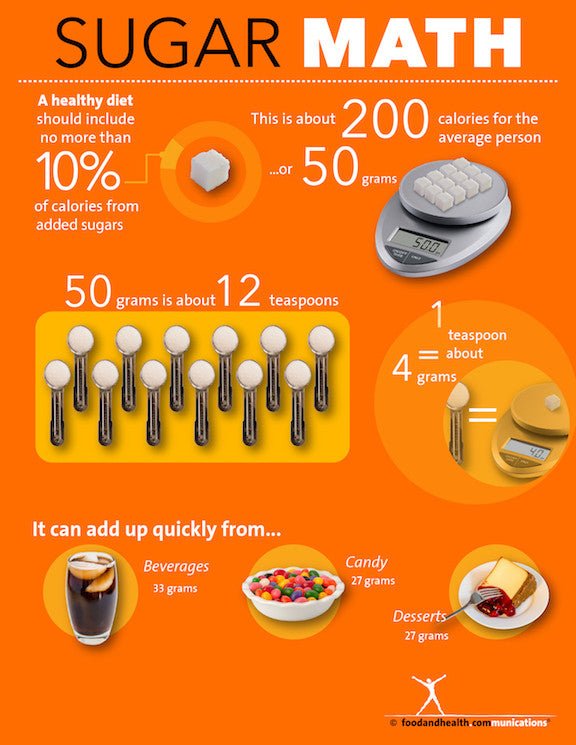
10% of your calories can come from sugar. The average American eats two to three times this amount and that is one factor that leads to overweight and obesity. The 2015 Dietary Guidelines for Americans panel of experts chose sugar consumption habits as one of the major changes that is needed by consumers. 10% of daily calories is the amount recommended by the World Health Organization and many research studies.
Most of the sugar in the diet comes from beverages, desserts, and candy or other processed snacks.
One can of soda contains about 33 grams of sugar so it is more than a half day's supply for most people. If you add a cup of sweetened yogurt you are already at your limit when you did not even have dessert yet.
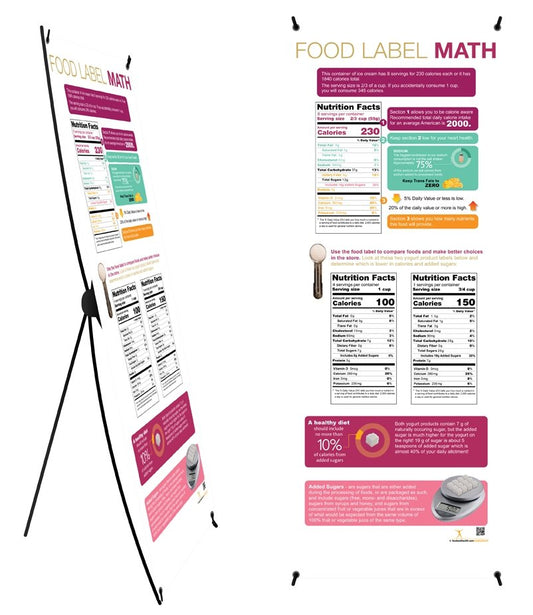
Use this poster in classrooms, wellness fairs, cafeterias, employee break rooms, hallways, bulletin boards, offices, and anywhere you want to remind people about their sugar budget.
The bright colors are people-pleasing and motivational. They are warm and positive. The math is always fun for kids and adults alike. Watch their faces light up as they show off their sugar math skills to friends and coworkers. The kids will have fun tripping up their parents.
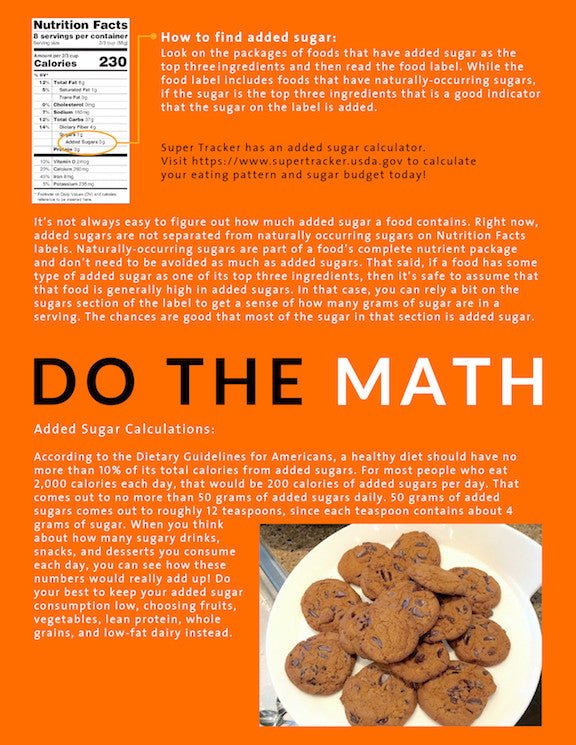
There is even a link to SuperTracker so everyone can get the real scoop on the amount of added sugar in their favorite treats.
You can have so many good conversations with this lesson from the 2015 Dietary Guidelines for Americans.
Specs:
Who is this for?
Health and STEM teachers, dietitians, and wellness educators.
What grade or age level is it for?
Kids through adult (great for STEM and family and consumer science).
How is it used?
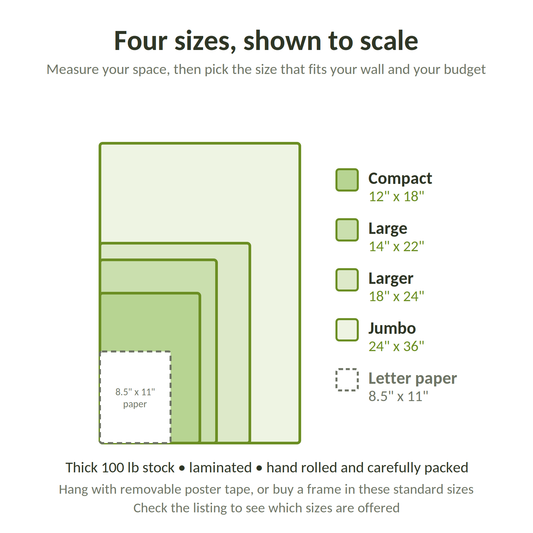
A 50-sheet tear-off pad for a sugar-budget math lesson in class, cafeteria, or counseling.
What does it teach?
How to calculate the added sugar in foods and drinks and compare it with the recommended daily limit.
What guidelines does it reference?
The Dietary Guidelines for Americans (added sugars under 10% of calories) and the World Health Organization.
What products pair well with it?
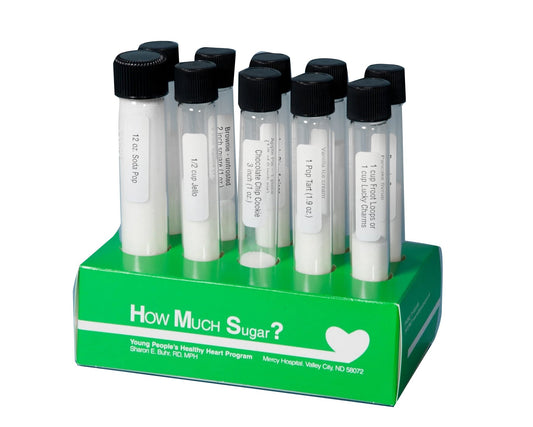
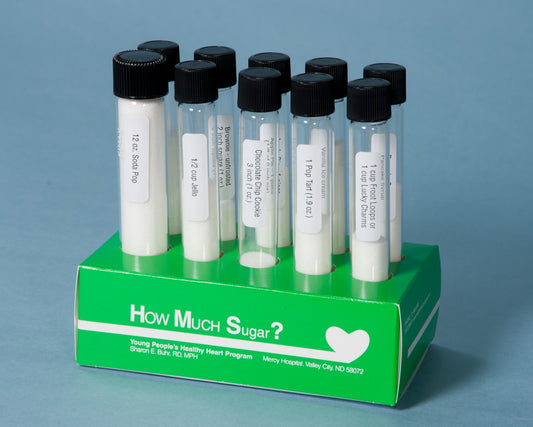
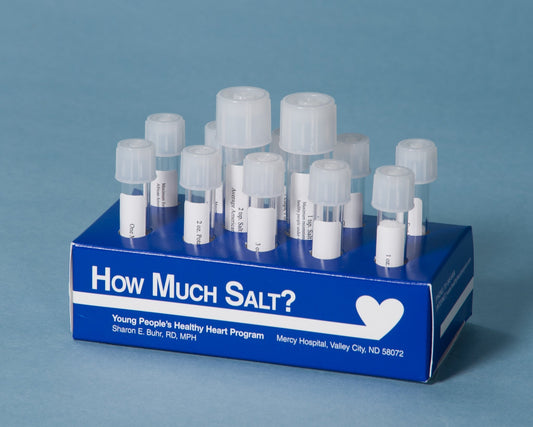
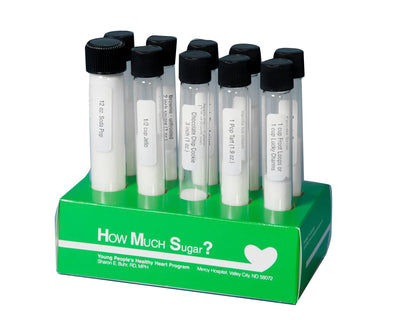
The Sugar Math poster, the Sugar tubes, and the Are You Drinking Candy materials.
Subscribe today and get 10% off your first purchase